
SELECTION / SCOPE / HANDOVER
Before choosing the equipment
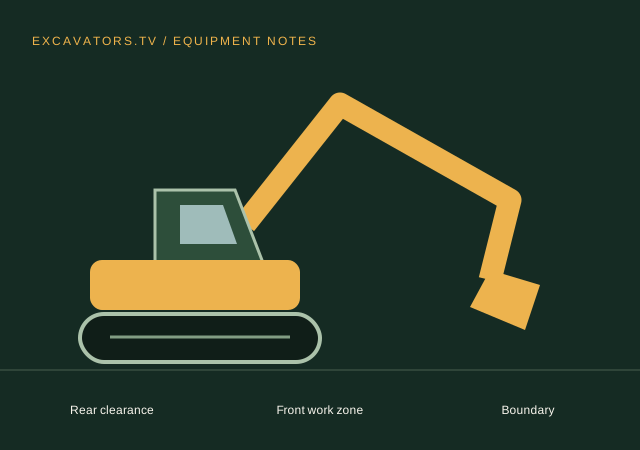
Provide a plan of walls, fences, traffic routes and overhead obstructions. Ask how the whole machine movement will be accommodated rather than assuming a shorter rear profile makes a site unconstrained.
What belongs in the quote
Agree the access and exclusion arrangements with the contractor. Include any changes to attachment choice, spoil handling or loading positions caused by the restricted layout.
Think about the surrounding work
Start with the work envelope: access width, overhead restrictions, reach, digging depth and room for the machine to turn. Ask the contractor to explain the selected configuration and how delivery, ground conditions and supporting machines affect the plan. A machine class is a starting point, not a promise of lifting capacity or production.
Three questions for your contractor
- Which part of the machine limits clearance?
- How is the public separated from the work?
- Does the site layout affect production?
Bring a useful project brief
Bring site photographs, access measurements, available drawings and a description of the finished result. Identify what is known about the ground and existing services, and distinguish confirmed information from assumptions. Ask for written inclusions, exclusions, change procedures and handover records before comparing totals.
Further reading
John Deere — construction equipment fleet guide ↗
Manufacturer reference for background, not a dealer relationship or recommendation of a particular model.
Keep the machine working
Repair and maintenance questions · Parts and attachment compatibility · Buying used equipment