
Excavator will not start
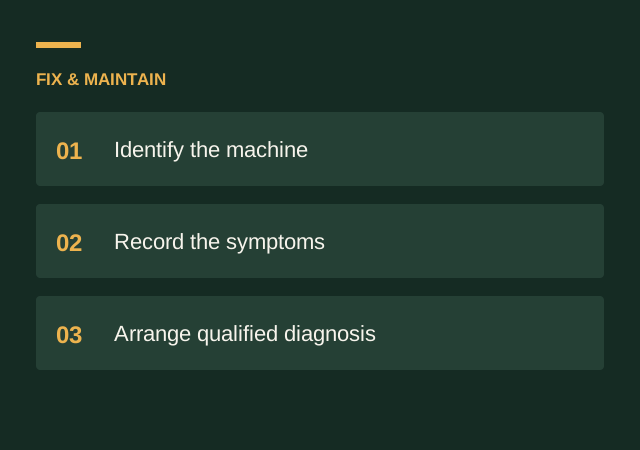
Record the exact model, serial number, displayed message and what happened immediately before the fault. Note whether the problem is intermittent and whether recent service or storage preceded it. A technician needs those observations to distinguish very different causes; a symptom alone does not establish a failed starter or battery.
Slow hydraulics, unusual movement or visible leaks
Record which function is affected, when it happens and any warnings already shown. Do not continue operating a machine with unsafe movement or a suspected pressurised leak. Do not search for a leak by hand, loosen hydraulic fittings or bypass an interlock. Arrange diagnosis by a qualified technician using the exact machine documentation.
Track, undercarriage and attachment wear
Photographs of visible wear taken from a safe position can help the service provider prepare. Include the machine identity, hours and maintenance history. Ask for a condition assessment and compatibility confirmation before ordering a track, coupler, tooth or cylinder.
Maintenance starts with the right manual
Caterpillar directs owners to the model-specific Operation and Maintenance Manual and a routine inspection schedule. Use the actual machine manual for intervals, fluids, approved procedures and isolation requirements. Keep a dated record of inspections, reported defects, repairs and the person who released the machine back to service.
What to request in the quote
Separate the diagnostic visit, transport, labour, parts and follow-up inspection. Ask what is confirmed, what is provisional, which additional work needs your approval and whether the repair carries a written warranty. Provide site access details so the technician can plan the visit.
Useful reference
Caterpillar — maintenance and inspection guidance ↗
Reviewed · Excavators.tv editorial desk